Homemade Brioche Loaf
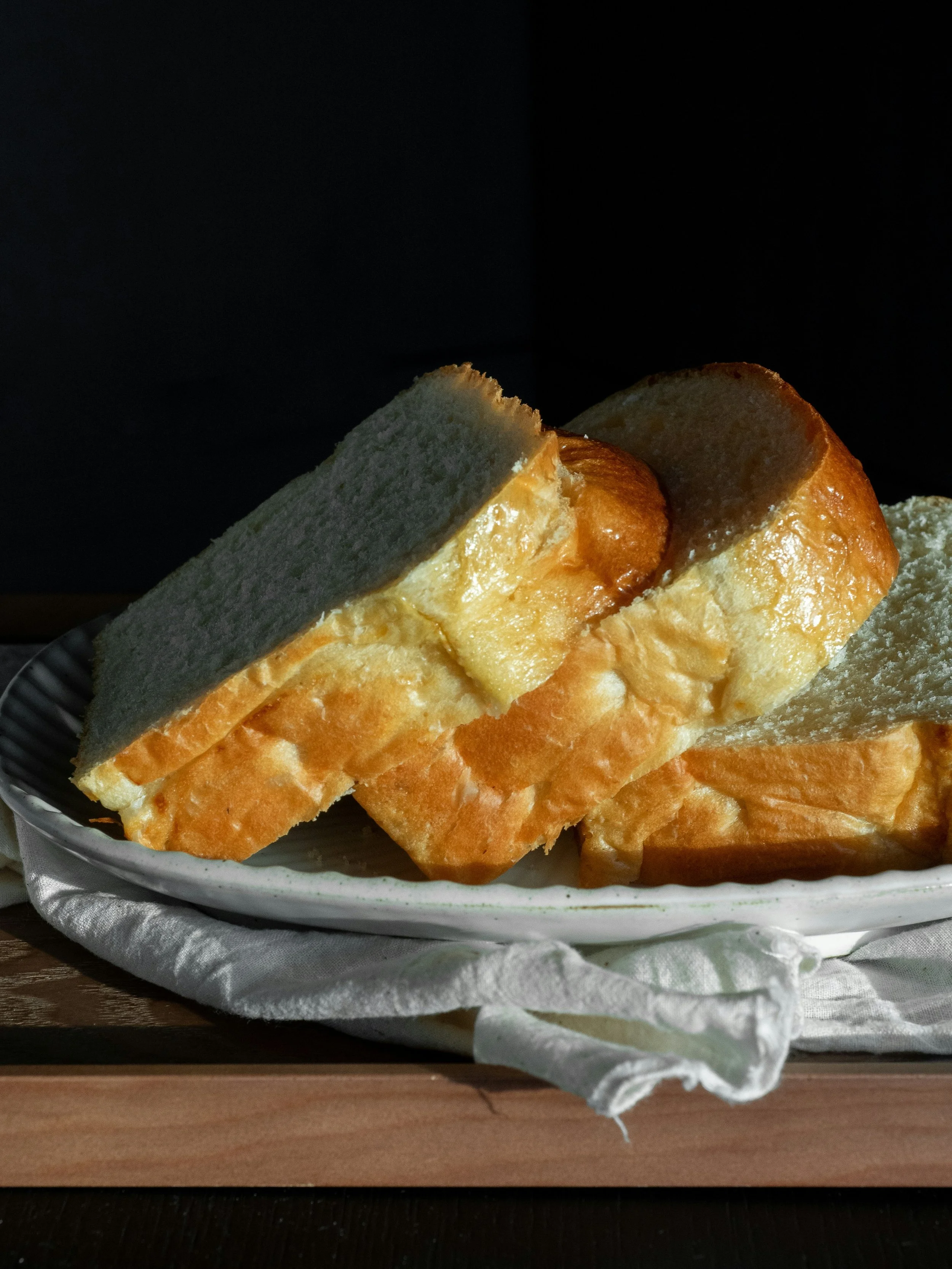
Brioche sits somewhere between bread and pastry - enriched with a generous amount of butter and eggs, it has a tender, almost cake-like crumb and a deeply golden crust that no supermarket loaf comes close to replicating. It takes time, most of it hands-off in the fridge overnight, but the actual work involved is minimal if you have a stand mixer. This is the brioche I use for my French toast with roasted rhubarb and ginger oat granola, though it is just as good eaten simply toasted with good butter and jam, or used in a bread and butter pudding.

Brioche Loaf
A rich, buttery French brioche with a tender, golden crumb. Made with a high proportion of butter and eggs for a deeply flavoured loaf that is excellent for French toast, bread pudding or simply eaten warm with good butter and jam.
Ingredients
- 7g instant dried yeast
- 150g plain flour, sifted, plus extra for dusting
- 150g strong bread flour, sifted
- 40g caster sugar
- 1 tsp salt
- 4 eggs, whisked, plus 1 extra for glazing
- 200g unsalted butter, softened
Instructions
- Add the yeast, both flours and sugar to the bowl of a stand mixer fitted with a dough hook. Mix briefly to combine.
- With the motor running on a low speed, add the whisked eggs slowly and mix until a rough dough forms and all the flour is incorporated, about 5 minutes.
- Add the softened butter a little at a time with the mixer still running, sprinkling in the salt with the first addition of butter. Make sure each addition is fully incorporated before adding the next. Once all the butter is in, continue to knead for a further 10 minutes until the dough is smooth and glossy.
- Lightly oil a large clean bowl and transfer the dough into it. Cover with oiled cling film and refrigerate overnight for at least 12 hours.
- Tip the dough out onto a lightly oiled surface and punch it down firmly to knock out the air. Shape it into a short, fat sausage and place it into a well-buttered loaf tin. Cover loosely with oiled cling film and leave in a warm, draught-free place until risen by a third, usually between 1-2 hours.
- Preheat the oven to 200°C/Fan 180°C/Gas 6. Beat the remaining egg and brush it over the surface of the loaf.
- Bake in the centre of the oven for around 40 minutes until deeply golden. Leave to cool in the tin for 10 minutes before turning out onto a wire rack.
Nutrition Facts
Calories
310Fat
20 gSugar
4 gProtein
7 gCarbs
26 gApproximate values per slice


Ingredient Notes
Flour
This recipe uses a combination of plain and strong bread flour. The plain flour keeps the crumb tender and soft while the bread flour provides enough protein to build the gluten structure needed to support the high quantity of butter. Using all plain flour risks a loaf that doesn't hold its shape well; all bread flour and the crumb becomes slightly too chewy.
Butter
Use good quality unsalted butter and make sure it is properly softened before you start - pliable enough to press a finger into easily, but not warm or greasy. Butter that is too cold will tear the dough rather than incorporate smoothly; butter that is too warm will cause the dough to become greasy and difficult to work with. Add it slowly, a little at a time, and be patient.
Eggs
Four eggs go into the dough with a fifth reserved for glazing. The eggs enrich the dough, give the crumb its characteristic yellow colour and contribute to the soft, pillowy texture. Use large eggs at room temperature.
Yeast
This recipe uses instant dried yeast which goes straight into the dry ingredients without any activation liquid needed. The long cold overnight prove is what develops the flavour and firms up the butter so the dough is manageable to shape.
Kitchen Notes
The long prove
The 12-hour cold prove is not optional for the best result. The slow fermentation develops flavour that a quick room-temperature prove simply cannot replicate, and the cold temperature firms up the butter so the dough is far easier to shape. Plan to mix the dough the evening before you want to bake.
Stand mixer
Brioche is one of the most demanding doughs a home stand mixer will handle. The extended mixing time generates heat through friction, which can warm the dough and cause the butter to separate. If the mixer housing feels very hot or begins to slow down, stop and rest everything in the fridge for 10 to 15 minutes before continuing.
Shaping
The dough will be soft and slightly tacky after its overnight prove. Oil your hands and work surface rather than flouring them - flour worked into the dough at this stage would alter the texture. You do not need to knead it again - just shape it gently into a short, fat sausage, drop it into a well-buttered loaf tin, cover loosely with oiled cling film and leave it to prove.
The same-day option
If you want to make it the same day, leave the dough to prove at room temperature for 1 to 1.5 hours until roughly doubled, knock it back, shape it and give it a second prove of 45 minutes to an hour before baking. The dough will be noticeably softer and stickier than the cold-proved version because the butter stays warm throughout, so be prepared to work quickly and keep your hands and surface well oiled. The flavour will be good but not quite as developed as the overnight version.
Variations
Brioche buns
Divide the dough into 8 to 10 equal pieces after the overnight prove, shape into balls and place on a lined baking tray with space between each. Prove until risen by a third then glaze and bake at the same temperature for 15 to 20 minutes.
Serving Suggestions
Brioche is at its best eaten on the day it is baked. Once cooled completely, store in an airtight container and use within 2 to 3 days. It also freezes very well - slice before freezing so you can take out individual pieces as needed. Day-old brioche makes exceptional French toast.
Zero Waste
Slightly stale brioche is actually preferable for French toast as it absorbs the custard better without collapsing. If you have leftover slices that are past their best for eating plain, use them for French toast or bread and butter pudding rather than throwing them away.